Prepare Your Collector Vehicle Now for Storage
After another enjoyable show and driving season, it’s now time for many of us in the Mid-Atlantic region to put our special vehicle(s) to bed for the winter. But before we hibernate them, there are various maintenance checks and tips we should perform now for preservation and longevity of the vehicle’s various systems.
Storage Location Options
Let’s start with where your prized vehicle will be stored. A temperature-controlled, finished garage with solid flooring is the most ideal situation away from the harsh winter elements. All metal buildings breed more moisture than brick and mortar with no insulation. The next best option is a carport which is still better than a building with a dirt floor. Finally, even if you do not have access to a permanent building, you still have options to envelop your vehicle.
Outdoor storage options include a portable garage, carport and/or a car cover. But you must do your homework to make sure they are safe, tough and yet effective against extreme cold, wind, ice and snow. Use extreme caution with outdoor car covers- even a tied down, fitted cover can rub off your expensive paint in high wind conditions!
Maintenance Tips for Preservation
After you address storage, let us delve into the maintenance. Add fresh ethanol-free gas or an ethanol additive to your tank to prevent the gas from separating from the alcohol content. Clean fluids ensure less corrosion inside your vehicle’s drivetrain. Start with a oil and filter change and check other fluids not only to make sure they are not low, but also for cleanliness. Consider changing any fluids that are due or appear dirty now. If you do not have the time or capability, consult one of our Service & Repair professionals.

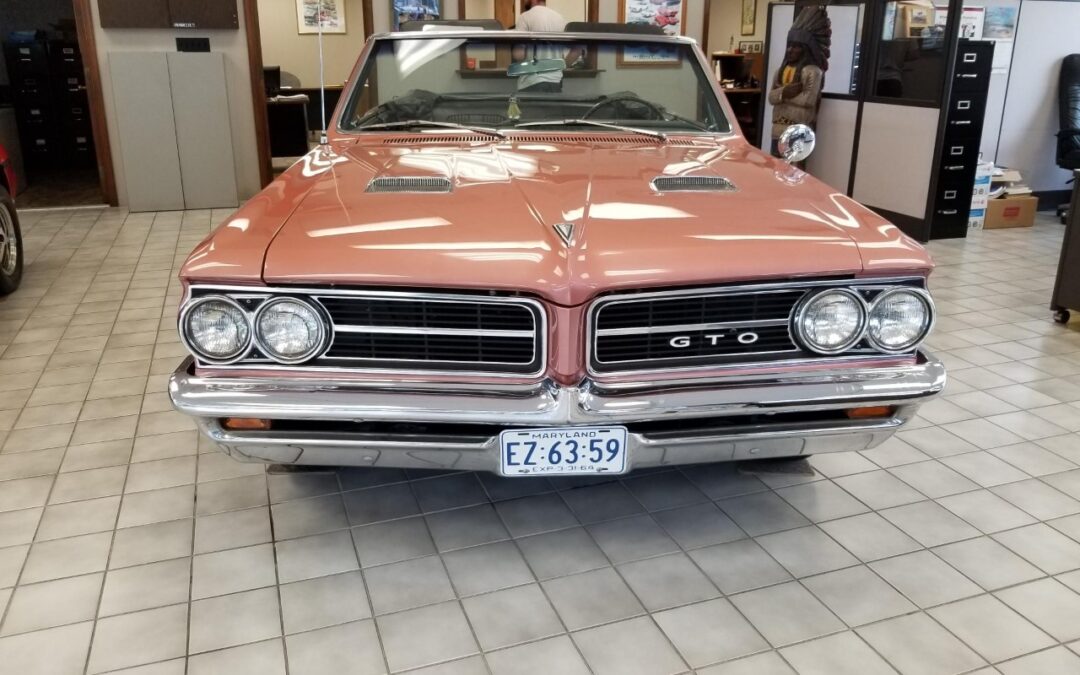
Photo courtesy of Westminster Speed & Sound
Next comes the battery: The best option is to disconnect the battery at the negative terminal or add a quick disconnect there. (Better yet, if your car is in a cold environment you can remove it and store it in a heated place for the winter.) If you have access to electric and need to leave it connected, you can add a trickle charger. While an “inexact science,” disconnected batteries tend to last longer.
Ideal Parking Conditions
Depending on how far you want to go, when tending to the tires, you can jack the car up and remove the wheels and like the battery, store them in a dry, warm place without sun exposure. If you plan to keep them on the vehicle, place cradles under the tires or inflate them all to 40lbs to avoid flatspots.
Since it will not be moved for an extended time, ensure when you park your vehicle, there is room to get around it on all sides. Keep away objects that can fall on it and off the floor nearby. An indoor cover will help prevent accidental dings and scratches.
This may seem obvious but make sure the automatic transmission is in park or manual transmission is in gear. If your vehicle is not on a level surface, chock the wheels. This way, when secured, you can disengage the parking brake to avoid its locking up if its parts are corroded.
The final chore before storage is to wipe down the entire vehicle exterior with your trusted detailing product. Wash it only if it is not already fairly clean, but make sure that it is thoroughly dry before storage. Cars and trucks that are only driven in fair weather still pick up dust, pollen, dirt, sap, etc that can damage paint if not removed in short order. For product and/or service advice to help to restore your vehicle’s finish or interior, consult one of our expert detailers.
Winter Operation or Not?
There are two schools of thought concerning start up and running during the winter. The first, as ascribed by this author, is to start up the vehicle and run it to operating temperature (for about 15 minutes or so). On a dry winter day (with no salt on the road), drive it around the neighborhood to get the drivetrain moving and operate all accessories. Starting up and running it monthly will help prevent moving parts from seizing later on due to non-use.
The second approach is to leave it alone through the winter (as long as you have followed the prepping tips mentioned above). In either case, still block the air intake to prevent moisture from entering the fuel system. And most importantly along with your dream car or truck, you will have a stress-free winter!- Rob Parr